


10 Steps to Planning Your Wedding Flowers (Without Getting Overwhelmed)
14 min read
TABLE OF CONTENTS
You're engaged, you've picked a date, and now it's time to start planning your wedding flowers! But where do you even start?
Good news. You don't need to become a flower expert to plan beautiful wedding flowers. That's what your florist is for!
I've worked with hundreds of couples planning their weddings, and I've found that the process is much easier when you break it into a few simple steps. Here's how I recommend going from having absolutely no idea what you want to having your wedding flowers booked and off your to-do list.
Step 1: Pick Your Wedding Color Palette
This is one of the first decisions you'll want to make because your wedding colors will influence everything from your bridesmaid dresses to your table linens and, of course, your flowers.
If you don't already have a color palette in mind, here are a few places to look for inspiration:
- The season: Are you getting married in the spring and love soft pastels? Maybe you're planning an autumn wedding and are drawn to the rich, earthy colors of fall. Do you have a summer wedding and want a bright, bold palette full of color? Or are you drawn to a cold winter palette of white and blues? You can lean into the season or go in a completely different direction.
- Your home and wardrobe: Look around your house and in your closet. What colors do you naturally surround yourself with? Chances are, you've already been choosing colors you love for years.
- Something meaningful: Do you and your fiancé have favorite colors you can combine so you're both included in the palette?
- Colors that make you happy: Forget wedding trends for a minute. What colors do you genuinely love looking at?
- Your overall aesthetic: Do you want something trendy and fun, unique and unexpected, or classic and timeless?
And remember, your color palette doesn't have to be just two or three colors. In fact, I love creating floral palettes with lots of different shades that blend together and add depth to the arrangements.
You also don't need to have your exact flower colors figured out at this point. Having a general direction is plenty to get started. Most of the time, the color palette can be finalized later if it's too overwhelming in the beginning.
For more inspiration, check out my guide to choosing your wedding color palette.
Step 2: Have a Pinterest Day!
This is the fun part. Set aside some time to get lost in Pinterest, Instagram, wedding blogs, or wherever you like to find inspiration.
And for now, don't worry about your budget or whether every picture matches your colors.
Seriously. Pin everything.
Love a bouquet that's completely the wrong color but has the perfect loose, whimsical shape? Pin it.
See a ceremony arch covered in thousands of dollars of flowers that makes your jaw drop? Pin it.
Find a tablescape with gorgeous candles, linens, and flowers that feels exactly like the wedding you want? You guessed it! Pin it.
Here are a few things to look for:
- Bouquets: Do you love large, overflowing garden-style bouquets? Something small and simple? A structured, traditional shape or something loose and organic?
- Ceremony flowers: Do you like ground arrangements, floral arches, asymmetrical installations, or flowers climbing up existing structures? How much coverage do you like?
- Reception flowers: Are you drawn to tall centerpieces, low arrangements, bud vases, candles, or a combination?
- Color combinations: Save pictures where you love the way the colors work together, even if you don't necessarily like the arrangement itself.
- Overall aesthetic: Look beyond the flowers, too. What kind of tablescapes, textures, and atmosphere are you drawn to?
If you can, find some floral inspiration pictures from your actual venue as well.
Don't worry about being consistent yet. Think of this as collecting all your favorite things in one place.
You're not making a shopping list. You're figuring out what you love.
Step 3: Get to Know Your Wedding Venue
Your venue will have a huge impact on what flowers you need and where you'll want to put them.
For example, a beautiful garden venue surrounded by flowers and greenery might need very little added to it. On the other hand, a big ballroom or an empty event space might need some larger floral installations to make the room feel full and inviting.
Take a look at your venue and ask yourself a few questions:
- Is there a built-in arch or ceremony structure that could be decorated with flowers?
- Does the venue provide any free decor, candles, vases, or other rentals you'd like to use?
- Will your ceremony and reception be indoors or outdoors?
- Is there a beautiful mountain view or other backdrop you don't want to cover up with flowers?
- Are there architectural features like staircases, chandeliers, mantels, or fireplaces that would look amazing decorated?
- Are there any areas you don't particularly love that could use a little help?
- How big is the space? Will your centerpieces need some height or volume to feel proportional to the room?
One of my favorite things about floral design is how much it can transform a space. But that doesn't always mean adding flowers everywhere.
Sometimes a few impact arrangements make a bigger impression than spreading your floral budget across every available surface.
My advice: Look through photos of past weddings at your venue. You'll get ideas for areas other couples have decorated, what works well in the space, and what might not need flowers at all.

Step 4: Narrow Down Your Favorites
Okay, now that you've spent a few hours dreaming about your perfect wedding, and some time looking at the reality of the space you've booked, it's time to get a little more specific.
Try to narrow your inspiration down to one or two favorite photos for each floral element you want at your wedding.
Ideally, you'll end up with a small collection of pictures showing:
- Your favorite bouquet size, shape, and style.
- An example of your ideal ceremony flowers, including the shape and amount of coverage.
- Your favorite centerpiece or tablescape style.
- A picture that best represents your color palette.
- A few photos that capture the overall aesthetic you want.
Don't worry if these photos don't all match each other perfectly.
It's completely fine to show your florist a lavender bouquet because you love its color, a white bouquet because you love its shape, and a peach arrangement because you love the flower varieties. A good floral designer can take those different elements and combine them into something cohesive.
Now is also a good time to think about your budget.
You don't need to know what each arrangement costs yet, but you should have a sense of how much you're comfortable spending on flowers overall.
And start thinking about priorities. If you had to choose between a stunning ceremony installation and lush centerpieces on every reception table, which would be more important to you?
Knowing what matters most will make the next few steps much easier.
Step 5: Make a List of What You Need (With Numbers!)
Now we're going to turn all that inspiration into an actual list.
You don't need every detail figured out yet, but your florist will need an idea of how many arrangements you're considering to provide an accurate quote.
Start with your personal flowers:
- 1 bridal bouquet
- ___ bridesmaid bouquets
- ___ boutonnieres for the groom, groomsmen, and family
- ___ corsages for mothers, grandmothers, or other family members
- Any flower girl flowers, hair flowers, or other special items
Next, think about your ceremony:
- Do you want a floral arch or another ceremony backdrop?
- Do you want flowers lining the aisle? If so, how many rows will you have?
- Do you need flowers for a welcome sign or entrance?
And finally, your reception:
- How many guest tables will you have? If you aren't sure yet, divide your estimated guest count by about 8–10 people per table for a starting number.
- Will you have a sweetheart table or head table?
- Do you want flowers for the cake, bar, welcome table, or other areas?
- Do you want any large installations, such as flowers on a staircase, mantel, or chandelier?
Your florist can also help you fill in anything you've missed.
Don't stress about getting the numbers perfect. If you think you'll have 12 tables but eventually end up with 15, that's usually something that can be adjusted closer to the wedding.
Right now, the goal is to give your florist enough information to estimate the scope of your wedding.

Step 6: Find 3–5 Wedding Florists You Love
Now that you have an idea of your style, colors, and the arrangements you want, it's time to find someone who can bring it all together.
Search Google or Instagram for wedding florists in your area. If you're getting married in Utah, for example, you might search for "Utah wedding florist" or look through photos from weddings at your venue and see who designed the flowers.
I recommend narrowing your list down to around 3–5 florists whose work you genuinely love.
And here's something important: don't choose florists based on location or price alone.
Floral design is an art, and every florist has their own style and strengths.
Some florists specialize in tight, traditional arrangements. Others love wild, whimsical garden-style designs. Some focus on minimalist arrangements, while others specialize in extravagant, flower-heavy installations.
Look through their portfolios and ask yourself whether you would be excited to have flowers like theirs at your own wedding.
If you love the majority of a florist's work, there's a good chance you'll love what they create for you.
Also, take a look at reviews, their experience, and how they approach the wedding day. You want someone who can not only design beautiful flowers but also handle the logistics, setup, and inevitable little surprises that come with weddings.
Step 7: Send Your Inquiries and Book Consultations
You've found your favorite florists. Time to reach out!
Most wedding florists have an inquiry form on their website where you'll provide your wedding date, venue, estimated budget, and a few details about what you're looking for.
Start by checking whether they're available for your date.
If they're already booked, you can cross them off the list. If they're available, review their pricing and minimums to make sure they're a realistic option for your budget.
From there, schedule a consultation with the florists you're seriously considering.
This is where all the work you did in the previous steps comes in handy!
Send your Pinterest inspiration, your list of arrangements, your estimated numbers, and your budget with your inquiry so they can get a head start on your quote and mood board before the call.
And remember, a consultation is a conversation, not a test. You don't need to know the names of all the flowers in your inspiration pictures or have every detail planned out.
Your florist should be able to help you:
- Figure out which arrangements will have the biggest impact.
- Recommend sizes and styles that fit your venue.
- Suggest alternatives when your inspiration and budget aren't quite lining up.
- Fill in any gaps in your floral plan.
- Explain what is realistic for your budget and venue.
- Answer questions about setup, delivery, takedown, and rentals.
This is also your chance to get to know the person you'll be working with.
Do they listen to your ideas? Are they excited about your vision? Do you feel comfortable asking questions? Do you trust them to make design decisions for you?
Those things matter!
Step 8: Review Your Floral Proposals (And Share Them With Other Decision Makers)
After or during your consultations, you'll receive quotes and proposals outlining the arrangements discussed and their estimated costs.
Take some time to review them.
First, make sure you're comparing similar things. One florist might have quoted a large, lush centerpiece while another quoted a smaller arrangement. Those won't cost the same amount, and that doesn't necessarily mean one florist is overpriced.
Look at what's included in the proposal, too. Does it cover delivery, setup, takedown, and rentals? Are there any additional fees you should know about?
By now, you probably have a pretty good idea of which florist you're most excited to work with. Maybe you loved their design ideas, felt like they really understood your vision, or just clicked with them during your consultation.
Once you've found the florist you feel best about, share their proposal with anyone else involved in the wedding decisions.
If your fiancé, parents, or wedding planner weren't on the consultation call, this gives them a chance to review everything and make sure nothing was missed.
Maybe your mom wants to add a corsage for your grandmother, your planner reminds you about flowers for the welcome sign, or your fiancé wants to make sure the total fits within the budget you agreed on.
Ask them if they have any additions, questions, or changes they'd like to make before you officially book.
And if you need to adjust the proposal to better fit your budget, don't be afraid to ask your florist for suggestions. Maybe you'd rather put more of your budget toward your ceremony flowers and simplify the reception centerpieces, or vice versa.
Once everyone is on the same page and you're happy with the proposal, you're ready to make it official!
Step 9: Choose Your Florist and Sign the Contract
You've looked at the proposals, talked through your options, and now it's time to choose!
Of course, pricing matters. But I also recommend choosing the florist whose style, experience, communication, and overall vibe feel like the best fit for you.
Remember that you're not just buying flowers. You're hiring someone to plan, source, design, deliver, and set up a big part of your wedding decor.
You're trusting them to take all those inspiration photos and ideas and turn them into something beautiful without you needing to oversee every detail.
Once you've made your choice, your florist will send over a contract.
Read it! Make sure you understand what you're agreeing to, including payment dates, cancellation policies, order changes, rental items, and other expectations.
If you have questions, ask them before signing.

Step 10: Pay Your Deposit and Get It Off Your To-Do List!
This is the final step!
Most wedding florists require a signed contract and a deposit or retainer to officially reserve your wedding date.
Until both are complete, your date may still be available to other couples, so don't put this step off once you've chosen your florist.
After you're officially booked, add a few reminders to your calendar for important upcoming dates.
For example:
- When your final quantities need to be confirmed (you probably gave your best guess on some numbers but won't know RSVPs until closer to the date).
- When your final payment is due.
- Any other deadlines outlined in your contract.
And then? Let it go.
Seriously. You don't need to spend the next six months second-guessing your flower choices or constantly looking for better bouquet inspiration.
You've picked your colors, found your style, prioritized your budget, and hired someone whose work you love.
You can cross wedding flowers off your planning list and move on to the next thing.
Of course, if something changes along the way, you can reach back out to your florist. But otherwise, trust the professional you hired to handle the details.
Wedding planning can feel like a never-ending list of decisions, and I love being able to take one entire category off my couples' plates.
Ready to Start Planning Your Wedding Flowers?
If you're planning a wedding in Utah, I'd love to hear what you're dreaming up!
At Bronte's Florals, we specialize in custom wedding flower designs, from romantic, garden-style bouquets to large floral installations and beautiful reception arrangements. My goal is to help you create something that feels personal, looks incredible in your wedding photos, and lets you enjoy your wedding day without worrying about the details.
You can check pricing and availability to get started, and we'll take it from there!

Don't leave your special day to chance.
Let us guide you to a flawless celebration adorned with captivating flowers. Book your free consultation today and step into a world where your wedding dreams bloom into reality.
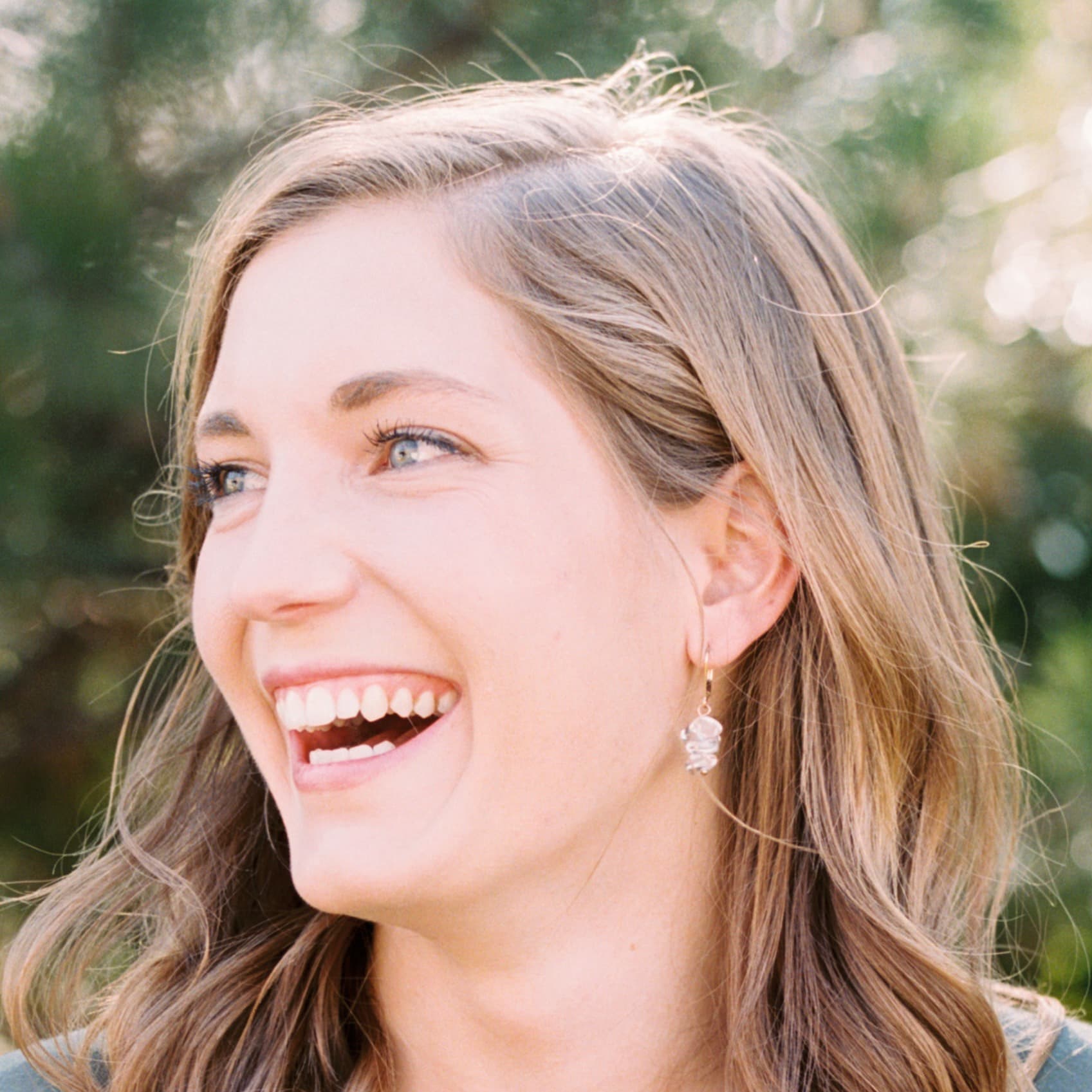
Bronte
Bronte is a seasoned floral designer with over 15 years of experience and a degree in horticulture and floral design. She has been featured in prestigious bridal magazines and has worked with hundreds of couples. Bronte is dedicated to simplifying the wedding process for her clients and promoting the use of locally sourced flowers, combining her passion for blooms with sustainability efforts in the industry.